Branding
ArtO
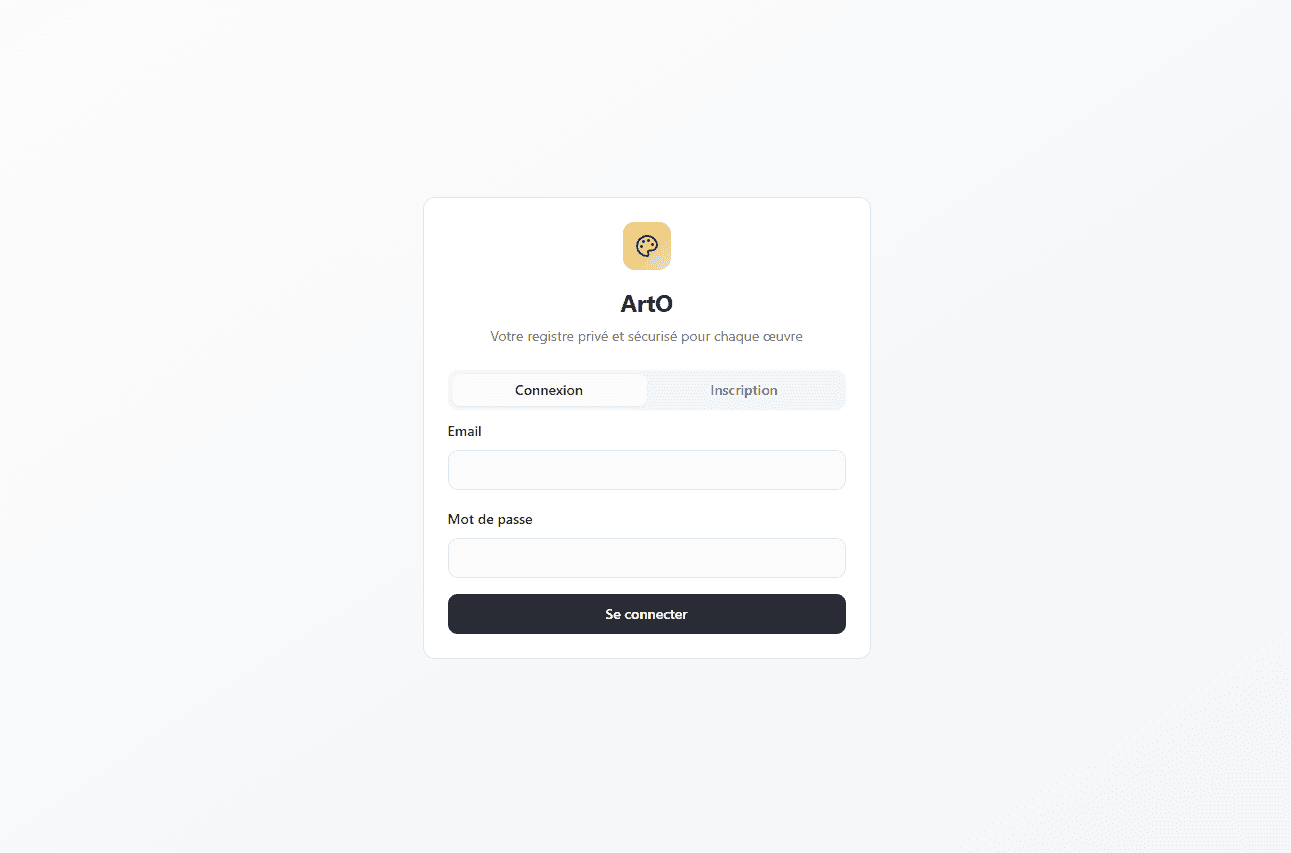
ArtO (via the Artissimo Dashboard) is a secure, web-based platform for managing art collections. It allows galleries, collectors, or artists to catalog, monitor, and curate works of art with control over access, metadata, and usage. The dashboard merges aesthetic presentation with strong back-end organization and security.
Year :
2025
Industry :
Tech
Client :
Galleries
Project Duration :
3 weeks
Problem :
Art collection managers and galleries face a persistent challenge in their daily operations: they're forced to juggle multiple disconnected tools to manage their collections effectively. Spreadsheets house basic information, image folders store visual assets, and email chains track communications, creating a fragmented workflow that's both inefficient and prone to errors. What these professionals really need is a unified system that brings together high-quality images, detailed provenance information, comprehensive documentation, and controlled user access all under one roof. Beyond functionality, security remains paramount—not every user should have access to all data, and the interface itself needs to strike a delicate balance between elegance and practicality, reflecting the sophisticated nature of the art world while remaining intuitive for daily use.
Solution :
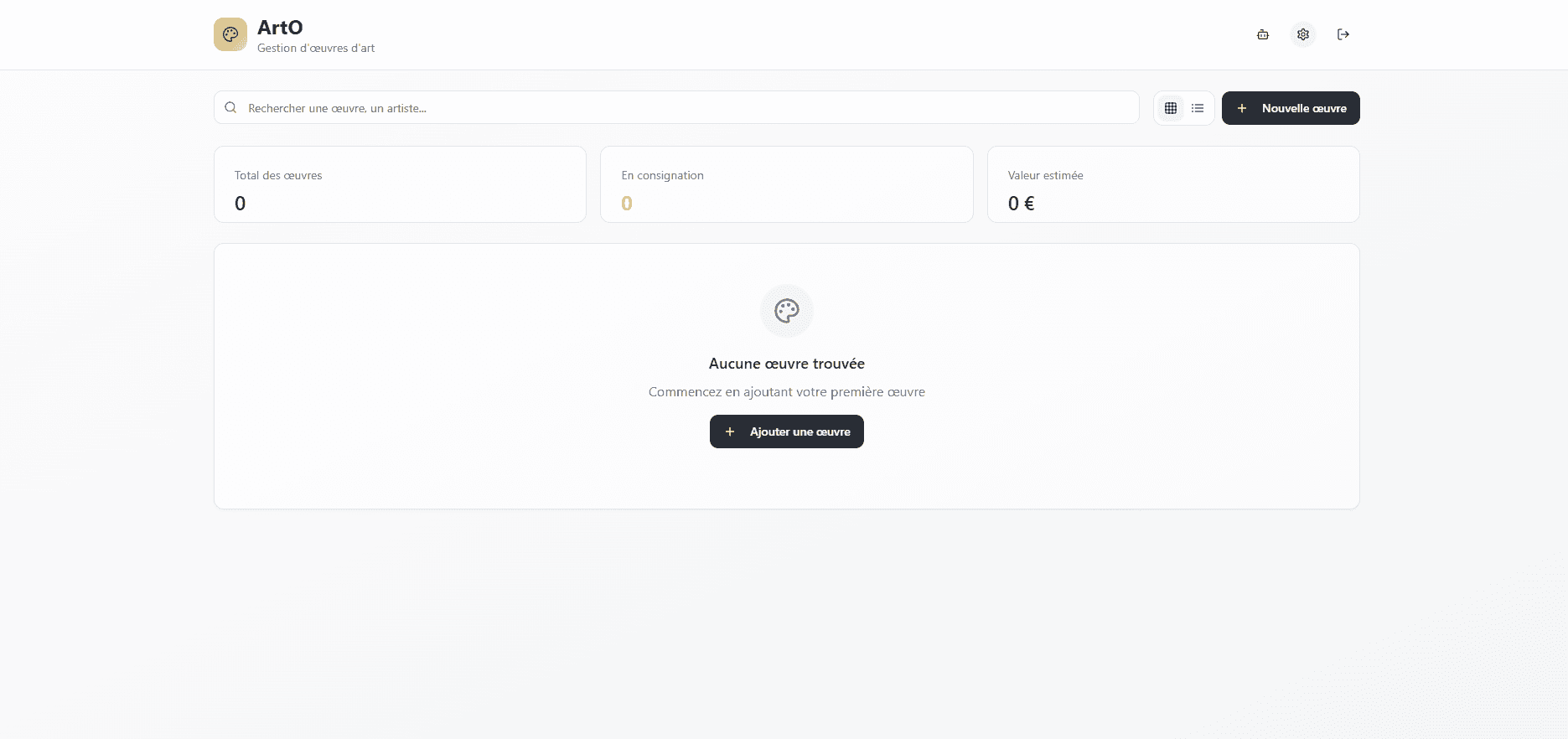
My solution centered on creating a clean, minimalist dashboard that allows users to navigate their art catalog with ease and confidence. I developed comprehensive modules for entering and viewing essential metadata, including artist information, creation dates, medium specifications, provenance details, valuations, and exhibition histories. The system incorporates robust security measures through role-based access controls, distinguishing between owners, curators, and guests with carefully defined permissions for viewing, editing, and commenting. High-resolution image handling became a cornerstone feature, complete with zoom capabilities, preview functions, and gallery-style viewing options that do justice to the artworks themselves. To enhance usability, I implemented sophisticated filtering, search, and categorization tools that enable users to quickly locate specific works by artist, time period, medium, or current location. Additionally, the system maintains detailed audit trails and activity logs, ensuring complete accountability and tracking of all changes and user interactions.


Challenge :
The development process presented several significant challenges that required careful consideration and creative problem-solving. The most complex aspect involved striking the perfect balance between visual elegance—essential for reflecting art world sensibilities—and practical usability for complex data entry, filtering, and backend operations. Performance optimization became crucial when handling large image files across multiple artworks while maintaining responsive behavior on various devices, from desktop computers to tablets. Designing clear and secure permission flows for multiple user roles demanded meticulous attention to both user experience and security protocols. Behind the scenes, ensuring data integrity, reliable backup systems, and robust protection measures including encryption and user authentication required extensive technical implementation. Perhaps most challenging was integrating established metadata standards and art database conventions to create a system that's both robust and genuinely scalable for future growth.
Summary :
The impact of this solution has been transformative for art managers and galleries who've implemented it. They've successfully consolidated their cataloging, presentation, and administrative tasks into a single, cohesive platform that streamlines their entire workflow. The polished, secure interface has enhanced their professionalism and significantly boosted client confidence in their operations. Most importantly, the system has dramatically improved workflow efficiency by eliminating their previous reliance on fragmented documents and disparate systems that often led to confusion and errors. The result is better organization, enhanced searchability, and superior oversight of art inventory and operations, allowing these professionals to focus on what they do best: caring for and presenting exceptional art collections.


More Projects


Branding
ArtO
ArtO (via the Artissimo Dashboard) is a secure, web-based platform for managing art collections. It allows galleries, collectors, or artists to catalog, monitor, and curate works of art with control over access, metadata, and usage. The dashboard merges aesthetic presentation with strong back-end organization and security.
Year :
2025
Industry :
Tech
Client :
Galleries
Project Duration :
3 weeks
Problem :
Art collection managers and galleries face a persistent challenge in their daily operations: they're forced to juggle multiple disconnected tools to manage their collections effectively. Spreadsheets house basic information, image folders store visual assets, and email chains track communications, creating a fragmented workflow that's both inefficient and prone to errors. What these professionals really need is a unified system that brings together high-quality images, detailed provenance information, comprehensive documentation, and controlled user access all under one roof. Beyond functionality, security remains paramount—not every user should have access to all data, and the interface itself needs to strike a delicate balance between elegance and practicality, reflecting the sophisticated nature of the art world while remaining intuitive for daily use.
Solution :
My solution centered on creating a clean, minimalist dashboard that allows users to navigate their art catalog with ease and confidence. I developed comprehensive modules for entering and viewing essential metadata, including artist information, creation dates, medium specifications, provenance details, valuations, and exhibition histories. The system incorporates robust security measures through role-based access controls, distinguishing between owners, curators, and guests with carefully defined permissions for viewing, editing, and commenting. High-resolution image handling became a cornerstone feature, complete with zoom capabilities, preview functions, and gallery-style viewing options that do justice to the artworks themselves. To enhance usability, I implemented sophisticated filtering, search, and categorization tools that enable users to quickly locate specific works by artist, time period, medium, or current location. Additionally, the system maintains detailed audit trails and activity logs, ensuring complete accountability and tracking of all changes and user interactions.
Challenge :
The development process presented several significant challenges that required careful consideration and creative problem-solving. The most complex aspect involved striking the perfect balance between visual elegance—essential for reflecting art world sensibilities—and practical usability for complex data entry, filtering, and backend operations. Performance optimization became crucial when handling large image files across multiple artworks while maintaining responsive behavior on various devices, from desktop computers to tablets. Designing clear and secure permission flows for multiple user roles demanded meticulous attention to both user experience and security protocols. Behind the scenes, ensuring data integrity, reliable backup systems, and robust protection measures including encryption and user authentication required extensive technical implementation. Perhaps most challenging was integrating established metadata standards and art database conventions to create a system that's both robust and genuinely scalable for future growth.
Summary :
The impact of this solution has been transformative for art managers and galleries who've implemented it. They've successfully consolidated their cataloging, presentation, and administrative tasks into a single, cohesive platform that streamlines their entire workflow. The polished, secure interface has enhanced their professionalism and significantly boosted client confidence in their operations. Most importantly, the system has dramatically improved workflow efficiency by eliminating their previous reliance on fragmented documents and disparate systems that often led to confusion and errors. The result is better organization, enhanced searchability, and superior oversight of art inventory and operations, allowing these professionals to focus on what they do best: caring for and presenting exceptional art collections.
More Projects
Branding
ArtO
ArtO (via the Artissimo Dashboard) is a secure, web-based platform for managing art collections. It allows galleries, collectors, or artists to catalog, monitor, and curate works of art with control over access, metadata, and usage. The dashboard merges aesthetic presentation with strong back-end organization and security.
Year :
2025
Industry :
Tech
Client :
Galleries
Project Duration :
3 weeks
Problem :
Art collection managers and galleries face a persistent challenge in their daily operations: they're forced to juggle multiple disconnected tools to manage their collections effectively. Spreadsheets house basic information, image folders store visual assets, and email chains track communications, creating a fragmented workflow that's both inefficient and prone to errors. What these professionals really need is a unified system that brings together high-quality images, detailed provenance information, comprehensive documentation, and controlled user access all under one roof. Beyond functionality, security remains paramount—not every user should have access to all data, and the interface itself needs to strike a delicate balance between elegance and practicality, reflecting the sophisticated nature of the art world while remaining intuitive for daily use.
Solution :
My solution centered on creating a clean, minimalist dashboard that allows users to navigate their art catalog with ease and confidence. I developed comprehensive modules for entering and viewing essential metadata, including artist information, creation dates, medium specifications, provenance details, valuations, and exhibition histories. The system incorporates robust security measures through role-based access controls, distinguishing between owners, curators, and guests with carefully defined permissions for viewing, editing, and commenting. High-resolution image handling became a cornerstone feature, complete with zoom capabilities, preview functions, and gallery-style viewing options that do justice to the artworks themselves. To enhance usability, I implemented sophisticated filtering, search, and categorization tools that enable users to quickly locate specific works by artist, time period, medium, or current location. Additionally, the system maintains detailed audit trails and activity logs, ensuring complete accountability and tracking of all changes and user interactions.
Challenge :
The development process presented several significant challenges that required careful consideration and creative problem-solving. The most complex aspect involved striking the perfect balance between visual elegance—essential for reflecting art world sensibilities—and practical usability for complex data entry, filtering, and backend operations. Performance optimization became crucial when handling large image files across multiple artworks while maintaining responsive behavior on various devices, from desktop computers to tablets. Designing clear and secure permission flows for multiple user roles demanded meticulous attention to both user experience and security protocols. Behind the scenes, ensuring data integrity, reliable backup systems, and robust protection measures including encryption and user authentication required extensive technical implementation. Perhaps most challenging was integrating established metadata standards and art database conventions to create a system that's both robust and genuinely scalable for future growth.
Summary :
The impact of this solution has been transformative for art managers and galleries who've implemented it. They've successfully consolidated their cataloging, presentation, and administrative tasks into a single, cohesive platform that streamlines their entire workflow. The polished, secure interface has enhanced their professionalism and significantly boosted client confidence in their operations. Most importantly, the system has dramatically improved workflow efficiency by eliminating their previous reliance on fragmented documents and disparate systems that often led to confusion and errors. The result is better organization, enhanced searchability, and superior oversight of art inventory and operations, allowing these professionals to focus on what they do best: caring for and presenting exceptional art collections.